How Extreme Summer Heat Affects Oklahoma Roofs
When we think about weather-related property damage in Oklahoma City, our minds naturally jump to the dramatic events: massive hail, sudden tornadoes, and intense straight-line winds. We spend the spring months watching the skies and preparing for the worst. However, there is a much quieter, slower, and equally relentless force wearing down our homes every single year: the extreme summer heat.
Long stretches of triple-digit temperatures and intense ultraviolet radiation take a significant toll on your home's exterior. While your roof is designed to withstand the elements, the sheer intensity of a southern plains summer can accelerate wear and tear in ways that aren't always immediately visible from the ground. By the time a leak appears during a sudden late-summer thunderstorm, the structural damage may already be extensive.
Understanding how prolonged heat exposure impacts your roofing materials is the first step in protecting your investment. By learning to identify the early warning signs of heat damage and taking proactive steps to maintain your roofing system, you can extend its lifespan, improve your home's energy efficiency, and avoid unexpected, costly repairs down the road.
The Silent Threat to Your Shingles
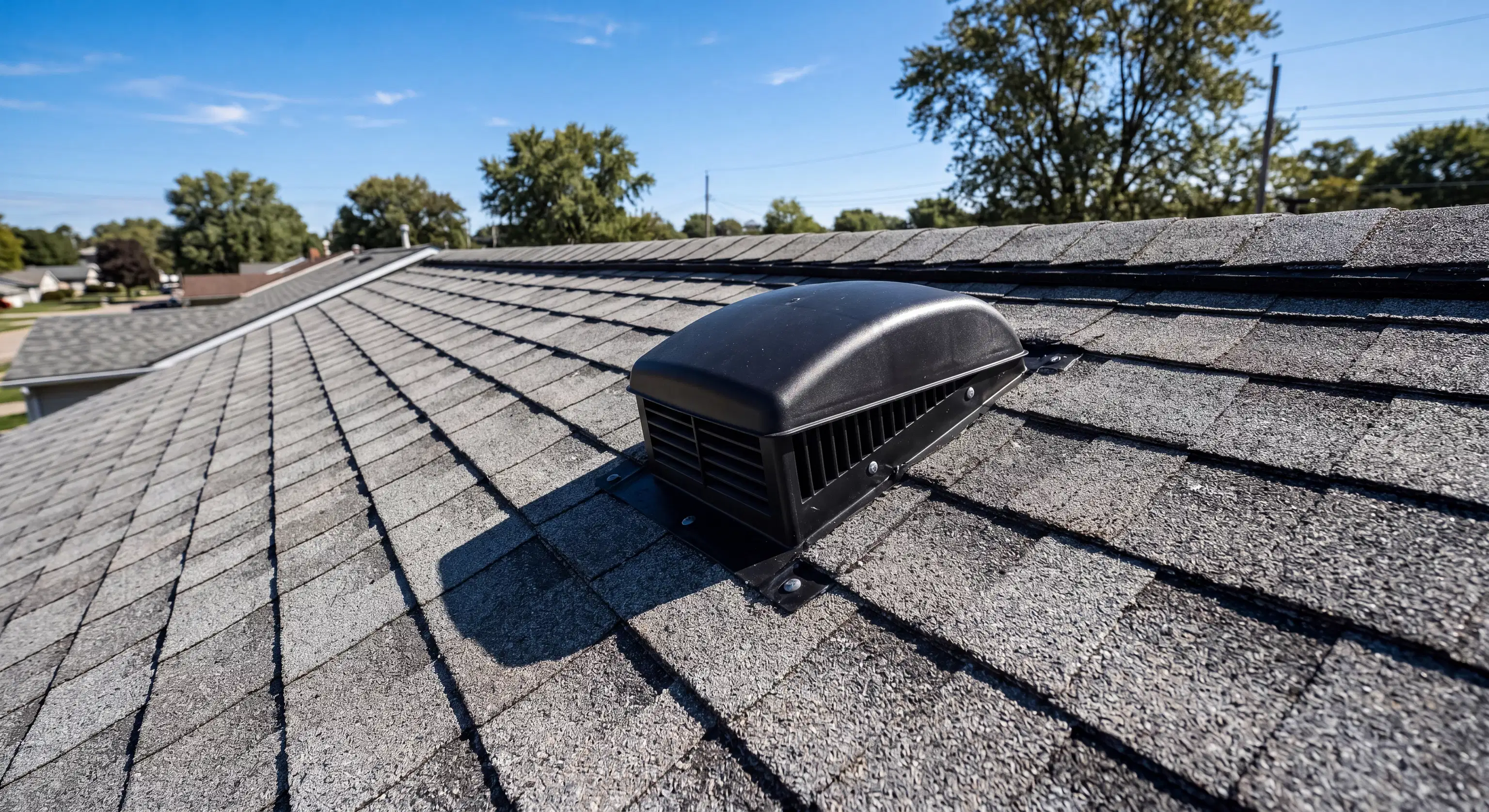
Most homes in our area rely on asphalt shingles for protection, and for good reason. They are durable, cost-effective, and designed to handle a wide range of weather conditions. However, when the ambient temperature outside hits 100 degrees, the temperature on the surface of your roof can easily soar past 150 degrees.
This intense, baking heat causes the asphalt to dry out over time. As the essential oils in the material evaporate, the shingles lose their flexibility and become brittle. One of the most common signs of heat damage on asphalt shingles is curling at the edges. When shingles curl, they can no longer create a watertight seal, leaving your roof deck vulnerable to moisture intrusion.
Another frequent issue is blistering. Preventing shingle blistering from high temperatures is a major concern for homeowners. Blisters look like small, raised bumps on the surface of the shingle, caused by trapped moisture or volatile gases expanding under the intense sun. When these blisters inevitably pop, they dislodge the protective granules on the shingle's surface. Without these granules, the asphalt is directly exposed to UV rays, accelerating the deterioration process. You might even notice our famous red dirt settling into these newly formed cracks and crevices, making the wear and tear even more apparent.
Thermal Shock and the Importance of Attic Ventilation
It isn't just the peak daytime heat that causes problems; it is the rapid fluctuation in temperature. During a typical summer day in The Metro, your roof bakes in the sun for hours, expanding as it absorbs the heat. As the sun goes down, the temperature drops rapidly, causing the materials to contract. This continuous cycle of expansion and contraction is known as thermal shock.
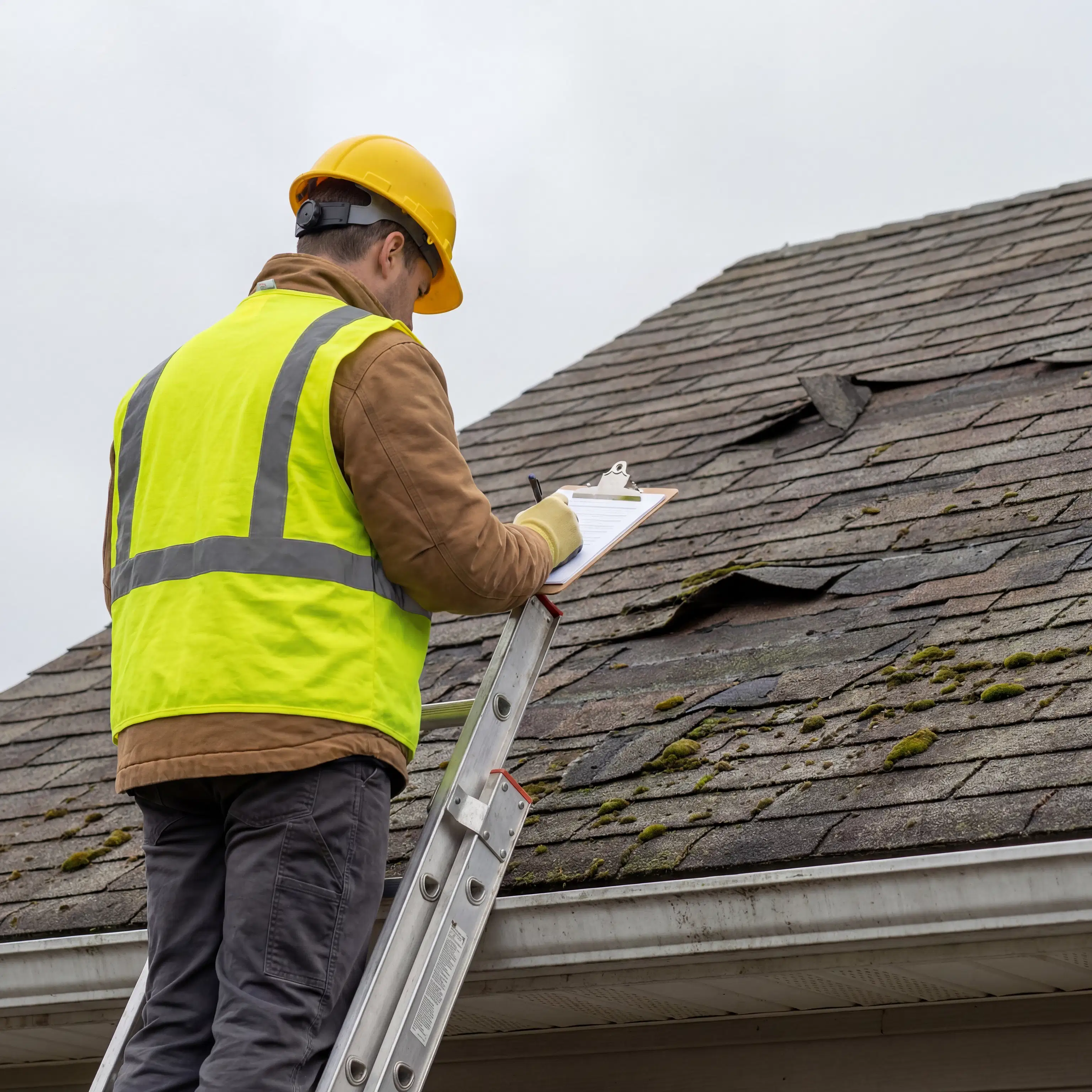
Thermal shock roof damage symptoms often manifest as deep cracks in the shingles, splitting along the seams, and weakened flashing around chimneys and vents. Over time, this daily stress compromises the structural integrity of the entire roofing system.
One of the most effective ways to combat thermal shock is by addressing what lies beneath the roof deck. The importance of attic ventilation during extreme heat cannot be overstated. If your attic is not properly ventilated, it acts like an oven, trapping superheated air. This trapped heat essentially bakes your shingles from the inside out, doubling the thermal stress they endure. Proper ventilation allows hot air to escape and draws cooler air in, regulating the temperature of the roof deck, extending the life of your shingles, and significantly lowering your monthly cooling bills.
Proactive Measures and Knowing When to Upgrade
Routine maintenance is your best defense against the harsh summer sun. Keeping your gutters clean, ensuring your attic vents are unblocked, and having a professional evaluate your roof's condition can save you thousands of dollars. Modern roofing technology has also advanced significantly, with many manufacturers now offering energy-efficient "cool roofs" and impact-resistant materials designed specifically to reflect UV rays and withstand extreme temperature fluctuations.
If your home is older and you are noticing widespread curling, severe granule loss in your gutters, or persistent blistering, it might be time to consider re-roofing. Upgrading to high-quality, Class 4 impact-resistant shingles not only provides superior defense against the summer heat and straight-line winds, but it can also qualify you for substantial discounts on your homeowners insurance premiums.
Navigating these choices can feel overwhelming, especially with the influx of out-of-state storm chasers who flood the area after severe weather. That is why it is crucial to partner with a locally rooted, fully licensed contractor who understands the unique environmental challenges of our region and stands behind their workmanship year-round.
Protect Your Home Before the Weather Changes
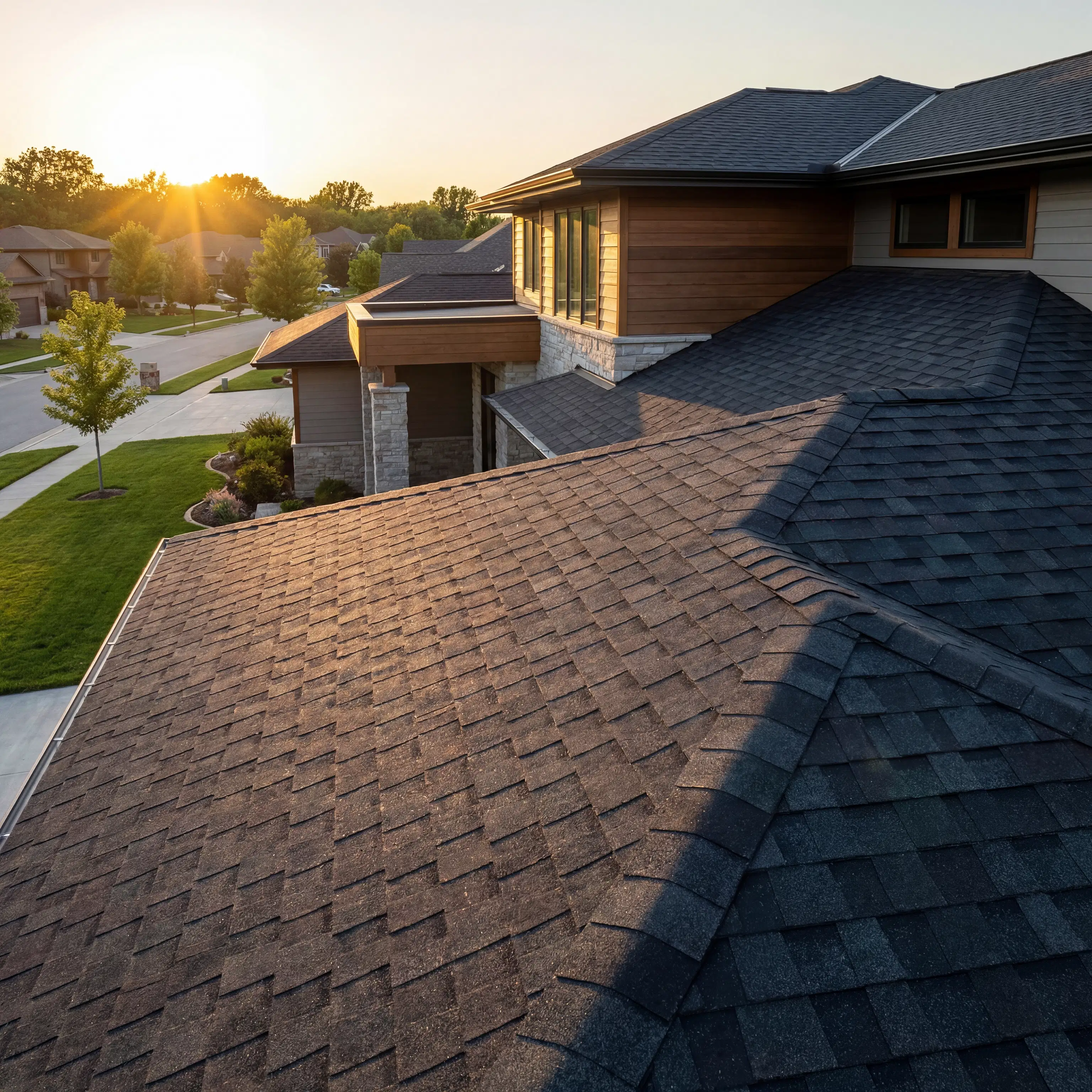
Summer heat silently weakens your home's first line of defense, leaving it highly vulnerable when the volatile storm season inevitably rolls back around. Don't wait for a sudden downpour to reveal the hidden damage caused by months of relentless sun and thermal shock.
If you are fixin' to replace an aging roof, or if you simply want the peace of mind that comes from knowing your home is secure, we are here to help. Whether you live in Moore, Edmond, or anywhere in between, our team at Resolute Roofing Company provides honest, transparent evaluations without the high-pressure sales tactics.
Take control of your home's health today. Schedule one of our comprehensive, free inspections and let our local experts ensure your roof is ready to handle whatever the Oklahoma weather brings next.